

Creating Independent Learners in K-3 Classrooms
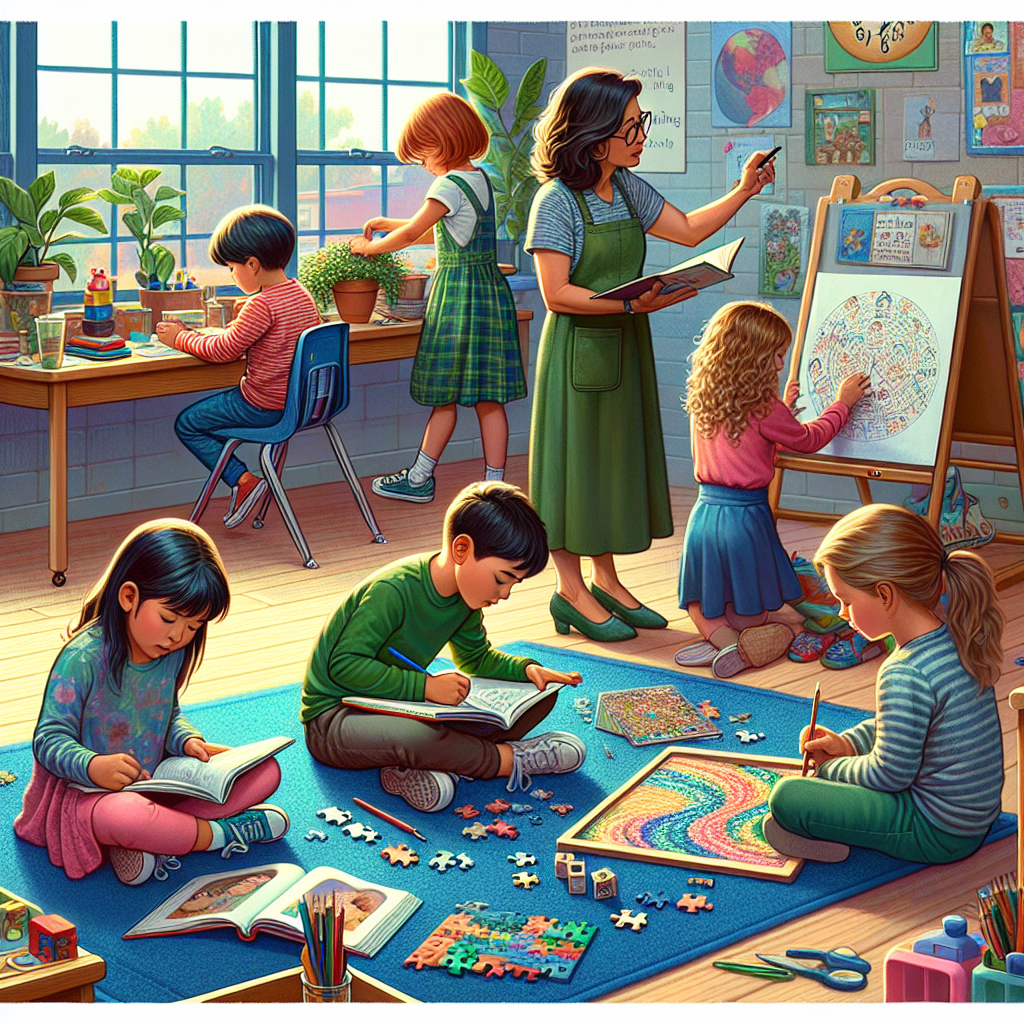
Building independent learners in kindergarten through third grade is one of the most impactful goals of early elementary education. When students develop the skills to manage tasks, reflect on learning, and pursue answers on their own, they gain confidence that benefits academic and social development. This article offers practical, research-informed teacher strategies and classroom routines to foster learner autonomy, promote self directed learning, and support inquiry based learning in young learners.
Why student independence matters in early elementary
Student independence is more than completing tasks without a teacher’s help; it is a foundation for lifelong learning. In the early elementary years, children are forming habits that shape how they approach challenges, collaborate with peers, and take academic risks. Encouraging learner autonomy in kindergarten through third grade sets the stage for more complex problem-solving and self-regulation later on.
Core classroom routines that support independence
Consistent classroom routines help young students feel secure and understand expectations, which frees cognitive energy for learning. Routines are essential to cultivating self directed learning and include predictable transitions, clear desk or materials procedures, and explicit steps for independent practice.
- Morning routines: greet, unpack, check the day’s objective, and set a personal goal.
- Work time structures: guided instruction, independent work, and partner tasks on a reliable schedule.
- Clean-up and reflection: a short end-of-day routine where students check their progress and tidy materials.
- Choice routines: clear options for center time or extension work that are rotated and scaffolded.
Teacher strategies for gradual release and autonomy
Gradual release of responsibility (“I do, we do, you do”) is a powerful framework in early elementary classrooms. Effective teacher strategies move students from highly scaffolded tasks to independent work while maintaining supports that encourage success.
- Model step-by-step thinking out loud during demonstration lessons.
- Use visual checklists and task cards so students can follow procedures without repeating instructions.
- Confer individually with students during independent work to coach and set short-term goals.
- Provide formative feedback that highlights effort and strategy, reinforcing a growth mindset.
Designing learning environments that invite inquiry
Inquiry based learning in K-3 encourages curiosity and investigation. Create learning spaces with accessible materials, inquiry prompts, and clear invitations to explore. Rotating centers and provocations help students become comfortable asking questions and testing ideas.
Examples of inquiry-friendly setups:
- Reading and research nook with picture books, labels, and question cards.
- Science discovery table with loose parts and observation journals.
- Math manipulatives labeled for independent exploration and challenge cards for self-directed learning.
Building a growth mindset in young learners
Children in kindergarten through third grade are particularly receptive to messages about effort and resilience. Teacher language and classroom culture shape how students view mistakes and challenges. Emphasize strategies over innate ability and celebrate incremental progress.
- Use praise that focuses on process: “I noticed how you tried three strategies to solve that.”
- Normalize revision: keep drafts and notes visible so students see learning as iterative.
- Teach simple self-talk routines: “I can try another way” or “What can I do next?”
Practical activities to encourage self directed learning
Self directed learning grows when students have opportunities to make choices and follow through. Here are classroom-ready activities that build autonomy:
- Choice boards with leveled tasks for literacy, math, and science that students select and record completion.
- Mini-projects (one to three days) where small groups plan, research, and present findings using teacher-provided criteria.
- Reflection journals with sentence starters so early elementary students can record what they learned and what to try next.
- Peer teaching routines where students explain a skill to a partner, reinforcing responsibility and communication skills.
Assessment and progress checks that promote learner autonomy
Formative assessment can be an instructional tool to increase independence. Use quick checks that invite student self-assessment and goal setting. Simple rubrics with visuals or thumbs-up/thumbs-down scales help young learners judge their work and set targets for improvement.
- Exit tickets: one-question check that students complete independently at the end of a lesson.
- Learning goals board: students post a sticker when they meet a skill-related milestone.
- Conferencing routines: brief student-led conferences where children describe what they can do and what they want to learn next.
Managing challenges and keeping expectations realistic
Not every child will move toward learner autonomy at the same pace. For some students, independence needs strong scaffolding and gradual fading. Differentiate supports by offering more structured choices, visual cues, and peer partners for those who need them.
Key approaches when independence stalls:
- Reduce task complexity and increase predictability until the child gains confidence.
- Pair students strategically so stronger independent learners model routines and reasoning.
- Use repetition and consistent feedback to reinforce new behaviors tied to classroom routines.
Partnering with families to support learner autonomy
Family communication extends independence beyond the classroom. Share simple strategies families can try at home—such as morning checklists, consistent bed and homework routines, and praise focused on effort. When families and teachers use aligned language about goals and growth mindset, children receive consistent messages about independence and responsibility.
Final thoughts: independence as a classroom culture
Creating independent learners in kindergarten through third grade is a gradual, intentional process. By combining consistent classroom routines, inquiry based learning opportunities, growth mindset language, and effective teacher strategies, educators can build a classroom culture that values curiosity, responsibility, and self directed learning. Small, consistent steps—clear routines, scaffolded choices, and focused feedback—create lasting learner autonomy in early elementary students.