
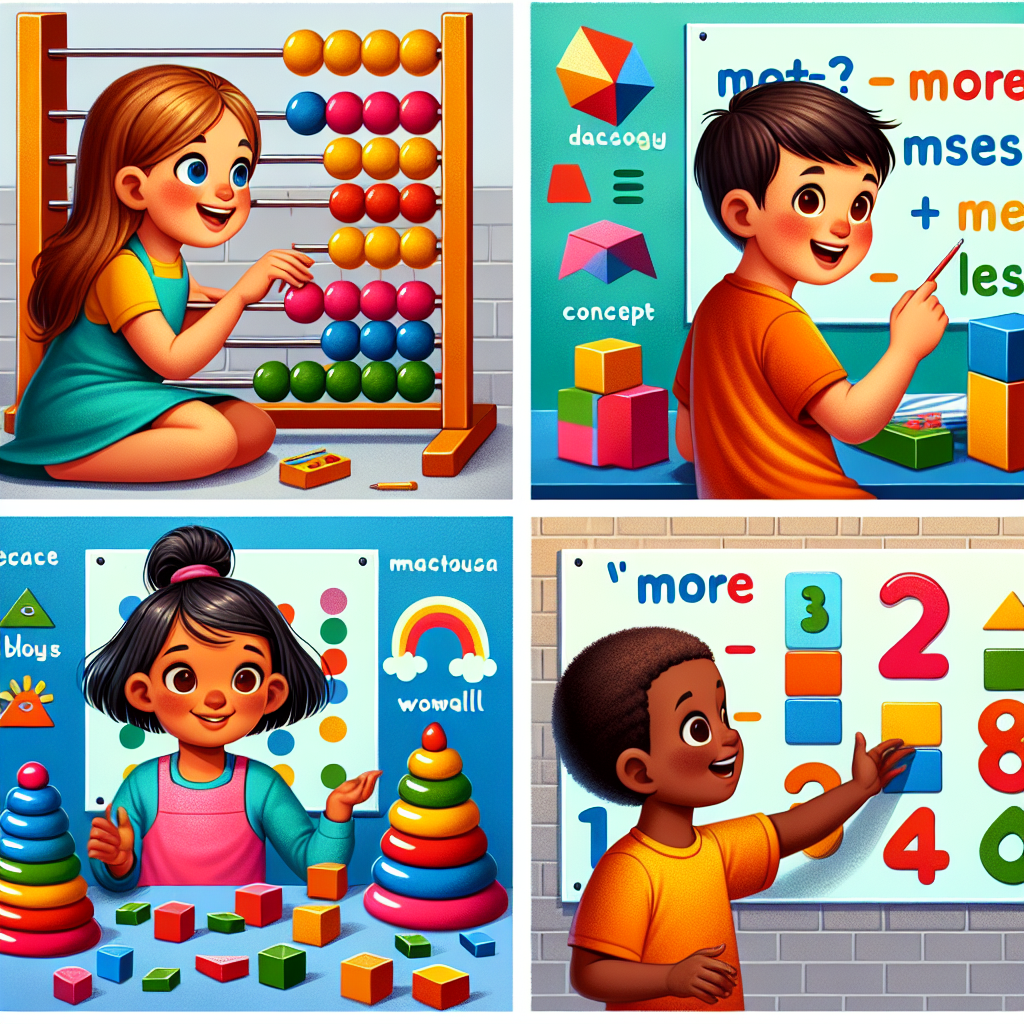
Strategies for teaching math vocabulary to early elementary students

Strong math vocabulary foundations support concept development and long-term success in math. For early elementary teachers, intentional vocabulary instruction helps young learners connect math words to concrete experiences, grow number sense, and access problem-solving language. Below are practical, classroom-ready teaching strategies that make math words meaningful, memorable, and usable for all students.
Why explicit math vocabulary helps early elementary learners
Vocabulary instruction in math is more than memorizing definitions—it’s about building mathematical language that connects to thinking and doing. When kindergarten and first-grade students know the language of math, they can describe patterns, compare quantities, and explain reasoning. Explicit math vocabulary teaching supports concept development by linking words to manipulatives, visuals, and routines. This reduces confusion when students encounter new problems and strengthens number sense words such as “more,” “fewer,” “equal,” “sum,” and “difference.”
Core teaching strategies for math vocabulary
Adopt a few consistent strategies so students encounter math words repeatedly in varied contexts. The following teaching strategies are high-impact and adaptable to any early elementary classroom.
- Introduce words with concrete experiences: Start with hands on learning—counters, cubes, ten-frames, and measuring tools—so children see and touch what the word represents.
- Use student-friendly definitions: Phrase definitions in short, clear language (“sum: the result when two or more numbers are added”).
- Model academic talk: Regularly use math vocabulary in explanations and encourage students to use the words when describing strategies.
- Multiple representations: Pair words with pictures, gestures, objects, and symbols to reach different learners.
- Repetition and retrieval practice: Revisit words across lessons and ask students to explain, act out, or draw examples.
Practical classroom activities
Activities that are short, interactive, and tied to manipulatives boost retention. Here are concrete ideas you can use tomorrow.
1. Math word sorts
Provide cards with math words, pictures, and definitions. Students sort into categories (operations, measurement, positional words). Sorting requires thinking about meaning and helps reinforce distinctions between similar math words.
2. Mini word wall activities
Use a dedicated math wall for word wall activities: add a new word each week with a simple definition, visual, and student-created sentence. Regularly play “Find the Example” where students point to the correct word on the wall during problem-solving.
3. Hands on learning centers
Set up centers where students use manipulatives and label their work with target vocabulary. Example center: “Build and Label” where children create arrangements of cubes and write number sentences using words like “total,” “minus,” and “left.”
4. Gesture and movement
Create a short gesture for each math word (e.g., spreading hands for “sum” or stacking fists for “group”). Gestures help embed vocabulary through kinesthetic memory.
5. Talk routines
Use structured talk prompts: “Explain how you know…” or “Use a math word to describe your strategy.” These prompts nudge students to practice vocabulary while reasoning.
Focus on number sense words
Number sense words are foundational in early elementary grades. Words like count, more, less, equal, greater, and fewer are central to daily math talk. Teach these terms during play and routines—roll dice and ask “Who has more?” or compare groups at snack time. Explicitly linking vocabulary to quantity experience accelerates understanding and reduces misconceptions.
Designing effective word wall activities
Word wall activities should be interactive, relevant, and frequently referenced. Keep math words visible, grouped by theme (geometry, operations, measurement), and include student contributions such as drawings or sample problems. Use quick daily routines: a 3-minute “Word Wall Warm-Up” where students pick a word and give an example or act it out. Rotating responsibilities for updating the wall increases ownership and engagement.
Assessment and tracking progress
Assess vocabulary use informally through observations, math journals, and short checklists. Ask students to explain a concept using target words, or to match a word to a picture. Portfolios with student explanations and drawings show growth in both vocabulary and concept development. These checks guide instruction and identify students who need targeted support.
Differentiation in math vocabulary instruction
Differentiation in math ensures all learners access math language at their level. For students who need more support, pair words with simplified definitions, visuals, and extra hands on learning time. Use one-on-one or small-group sessions to reteach with manipulatives. For advanced learners, encourage deeper use of language—ask them to create word problems using multiple math words or to compare math words and explain nuances.
Bringing vocabulary instruction into daily routines
Effective vocabulary instruction is woven into daily math routines, not confined to separate vocabulary lessons. Start each math block with a quick vocabulary review, and close with a prompt that asks students to use a target word in a sentence. Integrate math words into story problems, classroom transitions, and cross-curricular activities so students encounter language in varied contexts.
Resources and materials to support instruction
Simple materials have big impact: manipulatives (counters, ten-frames, base-ten blocks), picture cards, sentence stems, and laminated word cards for the word wall. Digital tools like interactive slides or simple apps can reinforce vocabulary through games and visuals. The key is repeated, meaningful exposure combined with opportunities to talk and do.
Conclusion: Making math words matter
Teaching math vocabulary in the early elementary years sets a foundation for confident problem solving and conceptual thinking. By combining hands on learning, explicit vocabulary instruction, and engaging word wall activities, teachers create a language-rich math environment. With thoughtful differentiation in math and consistent routines, every child can build strong number sense words and a deeper understanding of mathematical ideas.